Featured techniques
Smoked leg of lamb
Lamb takes to smoke beautifully, and a whole leg is far easier than it looks. Trim the fat cap, season boldly with garlic, rosemary, and coarse salt, and smoke at 250°F until the internal temperature reaches your target — around 130°F for a rosy medium-rare, higher if you prefer it well done. The gentle heat keeps the meat tender while the smoke adds a savory depth that pairs perfectly with lamb's richness. Rest it well, then slice thin against the grain.
For lamb roasts, FDA lists a safe minimum internal temperature of 145°F with a 3-minute rest, measured with a food thermometer.
Kettle-grill ribs
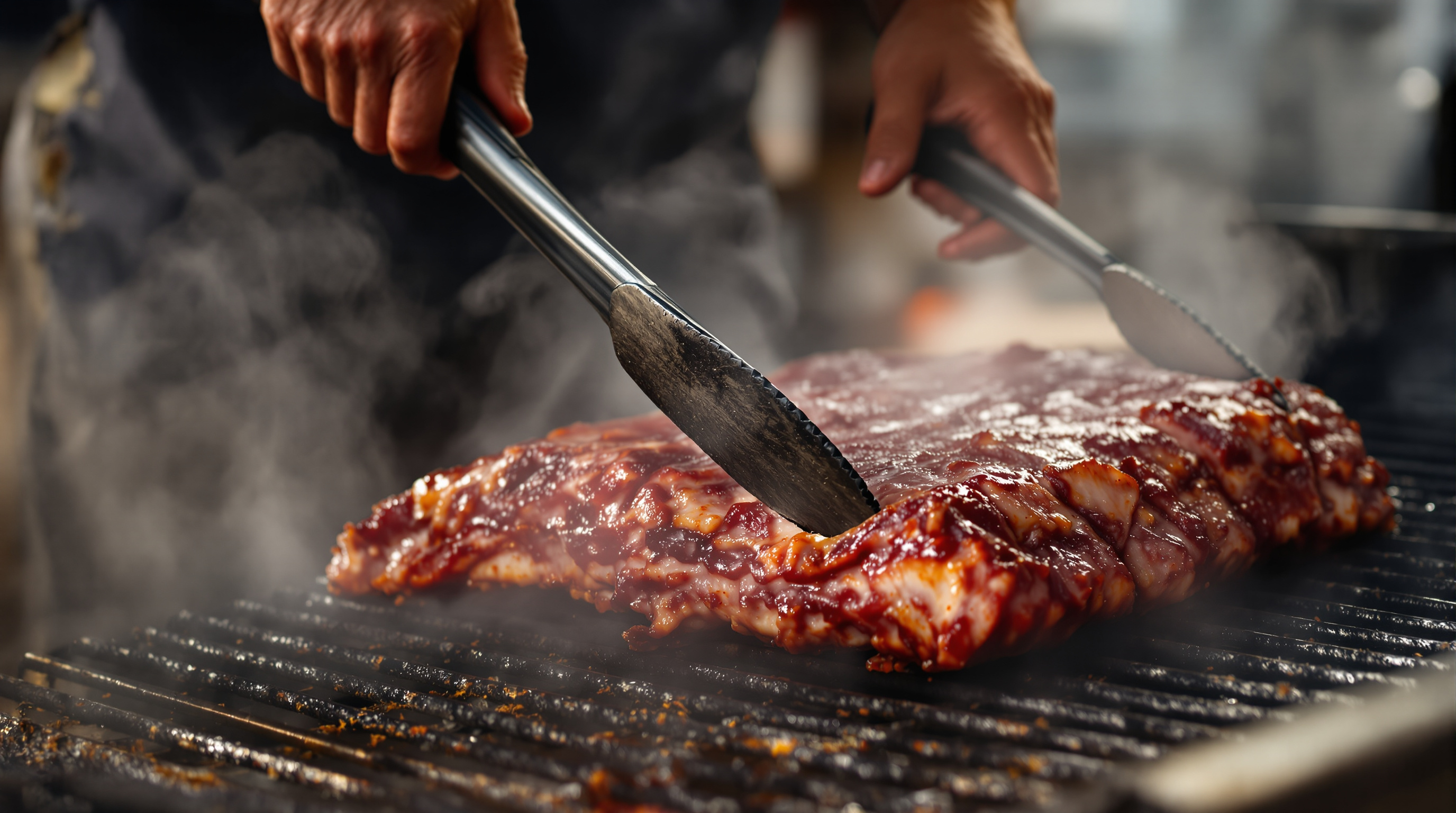
You do not need a dedicated smoker to make great ribs — the humble kettle grill is a superb smoker in disguise. Bank a small pile of lit coals to one side, add a chunk of wood, and cook the ribs on the cool side of the grate over indirect heat with the lid vent positioned above the meat to pull smoke across them. Top up with a few coals every hour to hold 250–275°F, and you will turn out tender, smoky ribs on the most common grill in the world. This is the two-zone method in its purest form.
Tuscan-style grilling
Not everything is low and slow. Tuscan-style grilling celebrates the opposite — simple cuts cooked hot and fast over glowing wood coals, seasoned with nothing more than good olive oil, salt, and pepper. A thick bistecca seared over a hardwood fire and finished with a squeeze of lemon is a reminder that great grilling is often about restraint and excellent ingredients rather than gadgets and sauces.
Open-flame cooking also featured in Memphis in May's plans for 2026. On November 13, 2025, it announced an inaugural Open Fire World Championship alongside its World Championship Barbecue Cooking Contest. The plan called for 15 teams in Liberty Park, with techniques drawing on traditions from Argentina to Asia. That announced format offers another way to think about cooking over fire: start with the technique and the food, then choose the setup.
The overnight pork shoulder
Nothing rewards patience like a whole shoulder, and nothing teaches fire management faster. Rub it the night before, put it on at 250°F, and then leave it alone — the temptation to open the lid is the main enemy. Expect the internal temperature to stall for hours somewhere in the 150s while moisture evaporates off the surface; this is normal, it is not a fault in your fire, and it passes. Cook until the meat is genuinely tender rather than to a number on a clock, then rest it wrapped for an hour before pulling. A shoulder is also the friendliest cut to learn on, because a wide margin of extra time does it no harm at all.
The principles behind every guide
Techniques vary, but a few fundamentals run through all of them. Build and manage your fire in zones so you always have an escape from the flames. Cook to internal temperature, verified with a thermometer, rather than to the clock. Rest your meat before slicing. And burn clean wood or charcoal for honest smoke — the same combustion that flavors the meat is what gives you a smoke ring.
Hungry for specifics? Dig into our full guides to smoked beef ribs, barbecue chicken, and prime rib cooking times — or learn to build the pit you will cook them on.